
To many people, concrete and asphalt may seem like the same thing, but each carries its own handful of differences. Both are certainly powerful materials to use on a commercial project, but which is better?
GFP Mobile Mix Supply has all the information you need to know which type of material is right for your construction project and how to spot the differences between them from a mile away.
The Core Composition: What Are You Actually Buying?
It’s helpful to know what each of these kinds of materials is, by definition, so you’re not confused from the start.
Many people will make the mistake of using these two terms, “concrete” and “asphalt” interchangeably, which is not correct. They’re both entirely different. See below for what each kind is.
What Is Concrete?
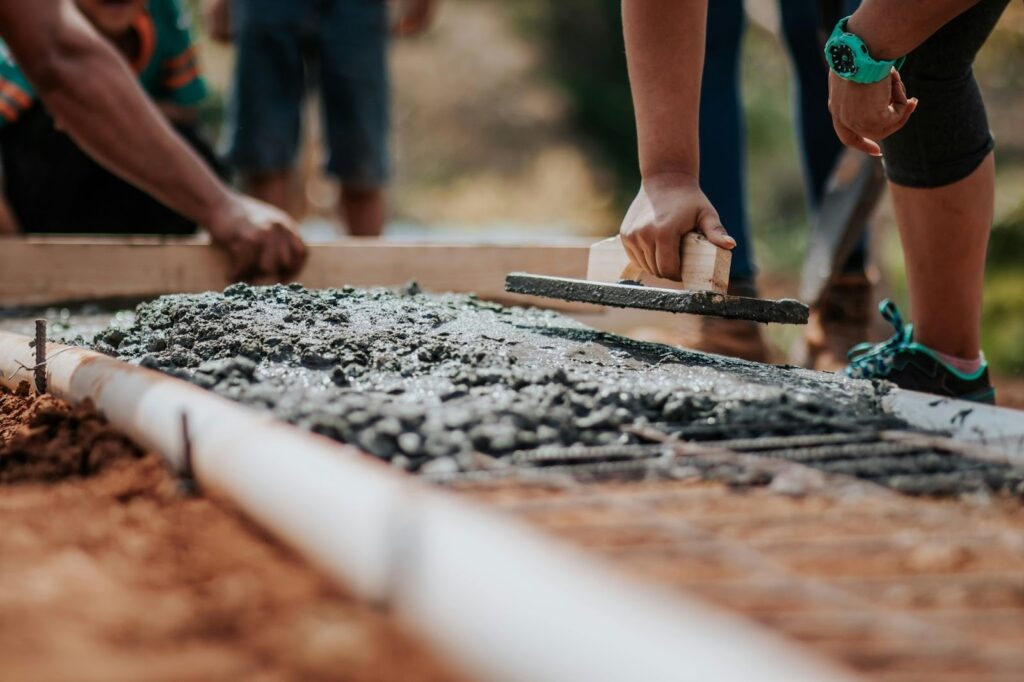
Concrete is often used for major commercial construction projects, but can also be used on small DIY projects, too, like putting up a neighborhood library or filling in the driveway.
Because of this, it’s important for all people to know what each material is made of and used for. Concrete is a composite material made of water, aggregate (rock, sand, or gravel), and cement. When these ingredients mix, they harden into a stone-like material that is incredibly robust.
What Is Asphalt?
Asphalt is entirely different from concrete. It consists of aggregates bound together by bitumen, a dark, sticky byproduct of crude oil production. It is essentially a petroleum-based product. Because of this, it is softer and more flexible than concrete, which can be both an advantage and a disadvantage depending on the application.
Durability and Longevity: Asphalt vs. Concrete
It’s also important to know how durable and how long-lasting each material is. You don’t want to invest in a large amount of asphalt, only to discover that it only lasts a certain amount of time.
Take a look at how concrete vs. asphalt differ in longevity, durability, and more.
Concrete: The Long-Haul Investment
Concrete can last a long time.
A well-poured concrete surface can last 30 to 50 years with minimal maintenance. It withstands heavy loads, making it the superior choice for dumpster pads, loading docks, and areas where heavy machinery operates. Because concrete is rigid, it doesn’t rut or deform under the weight of parked tractor-trailers or stationary equipment. In colder climates, repeated freeze-thaw cycles can cause cracking if the concrete is not properly installed or sealed, and extreme heat can lead to surface expansion and minor stress over time.
Asphalt: The Shorter Lifecycle
Asphalt typically lasts between 15 and 20 years.
While it is durable, it is softer than concrete. Over time, heavy static loads can cause depressions or “rutting” in the surface. However, asphalt’s flexibility allows it to handle temperature fluctuations slightly better without cracking, though it requires frequent sealing to maintain its integrity. Weather has a noticeable impact on asphalt as well, since prolonged exposure to intense sun can dry it out and make it brittle, while heavy rain and snow can accelerate wear and surface breakdown if it is not properly maintained.
Concrete vs. Asphalt: Maintenance Requirements
You don’t just get to pour concrete or asphalt and walk away. Every commercial site manager knows that installation is just the beginning. Ongoing maintenance costs can eat into your budget if you choose the wrong material for your needs.
Maintaining Concrete
Concrete supports the “set it and forget it” strategy. It doesn’t require frequent sealing. The maintenance is minimal, and it involves keeping it clean and sealing joints to prevent water infiltration. In the rare event that a slab cracks, repairs can be more involved than asphalt patching, but the frequency of repair is much lower.
Maintaining Asphalt
Asphalt requires a lot of ongoing care. You typically need to sealcoat asphalt every 3 to 5 years to protect the bitumen from drying out and cracking under UV rays.
If you neglect this maintenance, the surface will deteriorate rapidly, turning brittle and gray. Potholes are also a more common occurrence with asphalt, requiring regular patching.
Value Considerations for Asphalt and Concrete: Upfront vs. Long-Term
One of the most frequently asked questions about these two materials is the value of each.
In general, asphalt is cheaper to install initially. This lower upfront cost makes it a selling point for big paving projects like roadways or enormous new business parking lots where budget constraints are tight.
However, concrete offers better long-term value than asphalt. When you factor in the 30+ year lifespan and the reduced need for sealcoating and resurfacing, concrete often costs less over the life of the pavement.
When To Choose Concrete
Concrete is the gold standard in many commercial construction projects. You can even opt for colored concrete if you want your work to stand out.
Choosing concrete is best for projects like dumpster pads, loading docks, high-traffic entrance aprons, walkways, curbs, foundations, slabs, and any project where structural integrity is non-negotiable.
When To Choose Asphalt
You’ll want to go with asphalt if your initial budget is a big priority.
Also, if your project has already existing asphalt that needs patched, you’ll want to resurface it with newer asphalt rather than swapping for a new material in most cases. However, if possible, opting for concrete will lead to a better, longer-lasting finished project.
Why Work With GFP Mobile Mix Supply?
Quality matters when talking about concrete and asphalt, and GFP Mobile Mix Supply is your trusted partner for high-quality, on-demand concrete delivery.
We don’t just deliver concrete, we deliver peace of mind. With our volumetric mixers, your concrete is mixed right on site, so it’s always fresh and made to the exact specs your project needs.
Whether it’s a large commercial job or a last-minute repair, our team is ready to help across Wilmington, DE, and nearby areas, backed by DelDOT and PennDOT certifications. Skip the delays of barrel trucks and call GFP to see how our mobile mix solution can keep your project moving.