When you’re trying to decide on a concrete color for your home or business, there are many factors to consider. The current style of your home or office, the size and purpose of the space, and overall long-term design goals can all help in selecting a concrete shade.
Once you have a good idea of what you’re working with and what your goals are, you can move on to the next step of choosing your concrete shade. Each option offers differing durability ranges, acid stain variation, and more.
This article will highlight why concrete is one of the most versatile building materials available and how color can transform your space. With so many concrete colors, coloring methods, and design considerations to weigh, this blog will break it all down clearly, so you can move forward with confidence.
Why Does Concrete Color Matter?
Choosing the right colored concrete is about more than looks.
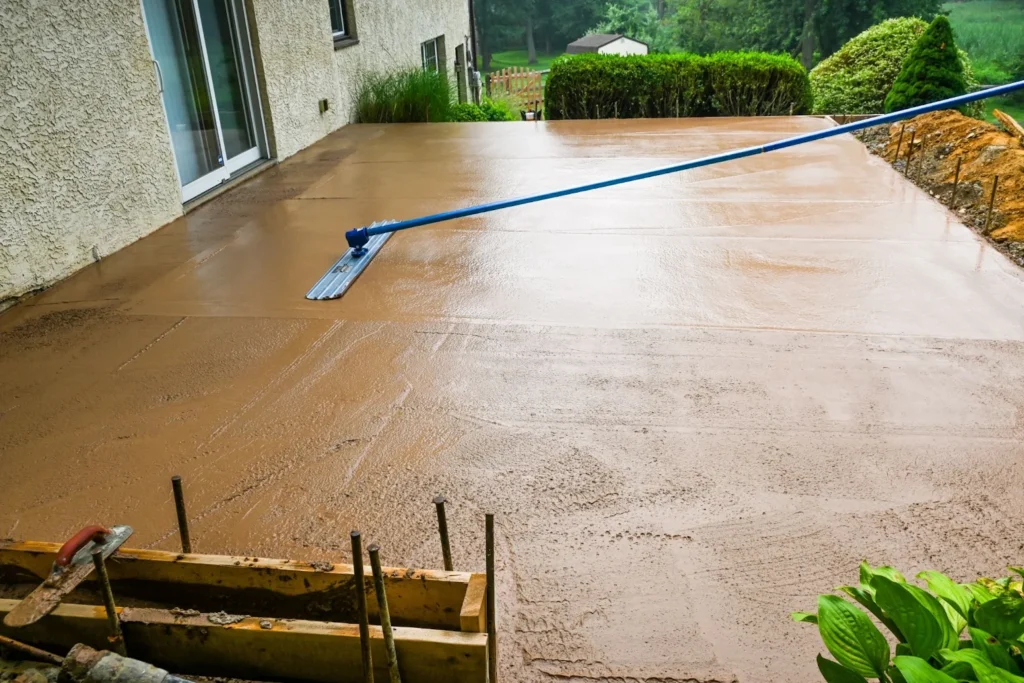
For residential properties, the color you pick can change the feel of your outdoor space, helping a small patio look more open, tying a driveway into your home’s design, or creating a warm, inviting backyard.
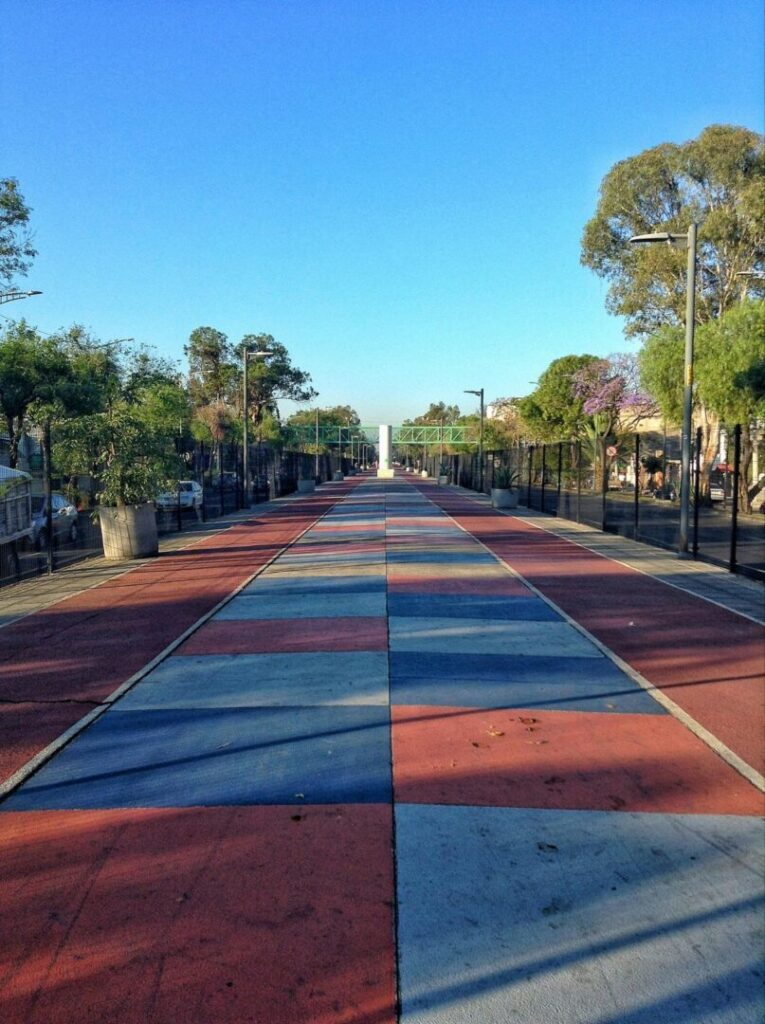
For commercial properties, carefully selected colored concrete can improve brand identity, create welcoming entryways, unique parking, and more memorable client experiences.
Consider Long-Term Performance
It’s worth thinking about how the color of the concrete will perform over time.
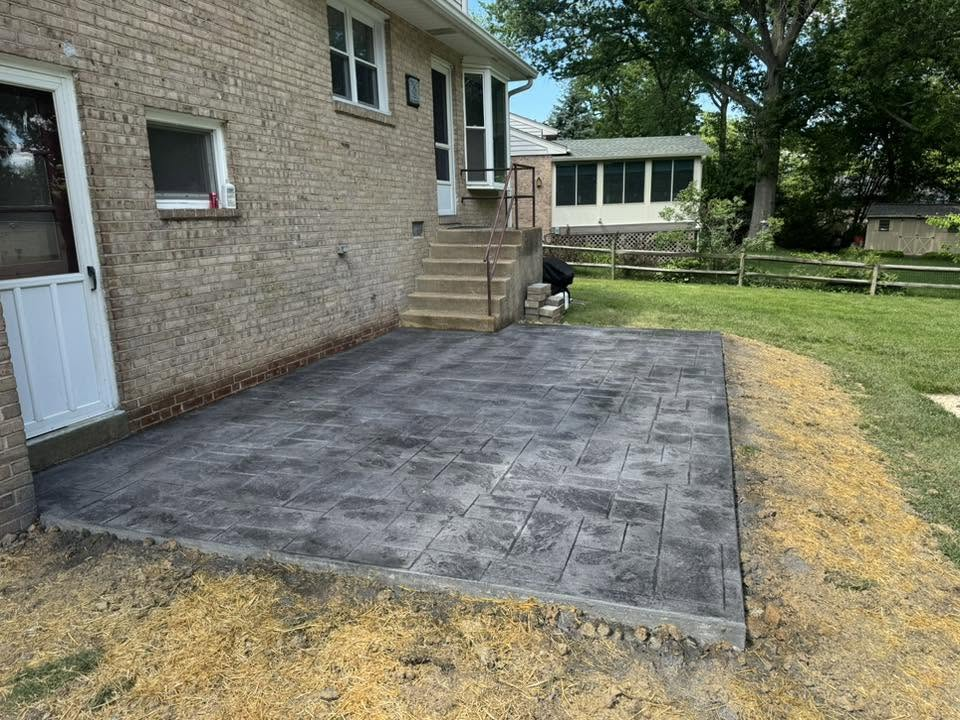
Darker shades absorb more heat from the sun, whereas lighter colors stay cooler underfoot, making them a popular choice for patios and pool decks. Darker colors also tend to do a better job of hiding dirt and everyday wear, whereas lighter shades may need a little more cleaning to keep them looking their best.
Taking the time to choose the right color now can help you enjoy your concrete for years to come.
How to Choose Concrete Color Based on Your Property’s Style
What your home or business looks like says a lot about the overall architectural style of the space. This can be your starting place for narrowing down your concrete color options and concrete suppliers. Here’s how different styles pair with concrete coloring:
What Concrete Colors Work Best for Modern and Contemporary Architecture?
Modern styles thrive on clean lines, geometric shapes, and industrial materials. For these spaces, subtle shades of gray, from light gray to charcoal, work exceptionally well, both indoors and out. Polished concrete floors with a geometric design suit open-plan interiors, as smooth, slate-toned driveways, walkways, and patios reinforce the sleek aesthetic.
What Concrete Colors Suit Rustic-Style Homes and Businesses?
Rich earth tones are the natural fit here. Woodsy browns, russet reds, and forest greens echo the warmth of natural materials and pair beautifully with stamped concrete patterns that replicate stone or slate. Indoors, a concrete floor stamped in a wood plank pattern adds rustic character without the maintenance demands of real hardwood.
What Concrete Colors Complement Coastal Styles?
Sandy beiges, warm tans, and ocean-inspired blues work seamlessly with coastal architecture. These tones reflect the surrounding environment, particularly the palette of shorelines and dunes, while keeping outdoor surfaces cooler under intense sunlight. Flagstone or slate-stamped patterns add texture and visual interest without competing with the natural setting.
What Concrete Colors are Right for Traditional and Colonial Styles?
Formal, stately architecture calls for equally polished finishes. Cobblestone-patterned concrete in neutral tones, warm creams, soft grays, or aged brown, adds to the grandeur of classic entry paths and driveways. Indoors, concrete stained to resemble marble creates an impressive entryway that handles heavy foot traffic with ease.
Choosing Concrete Colors for Your Space
When picking out a concrete color, it’s important to think beyond your favorite shade and consider the space itself.
Consider the Size of the Area
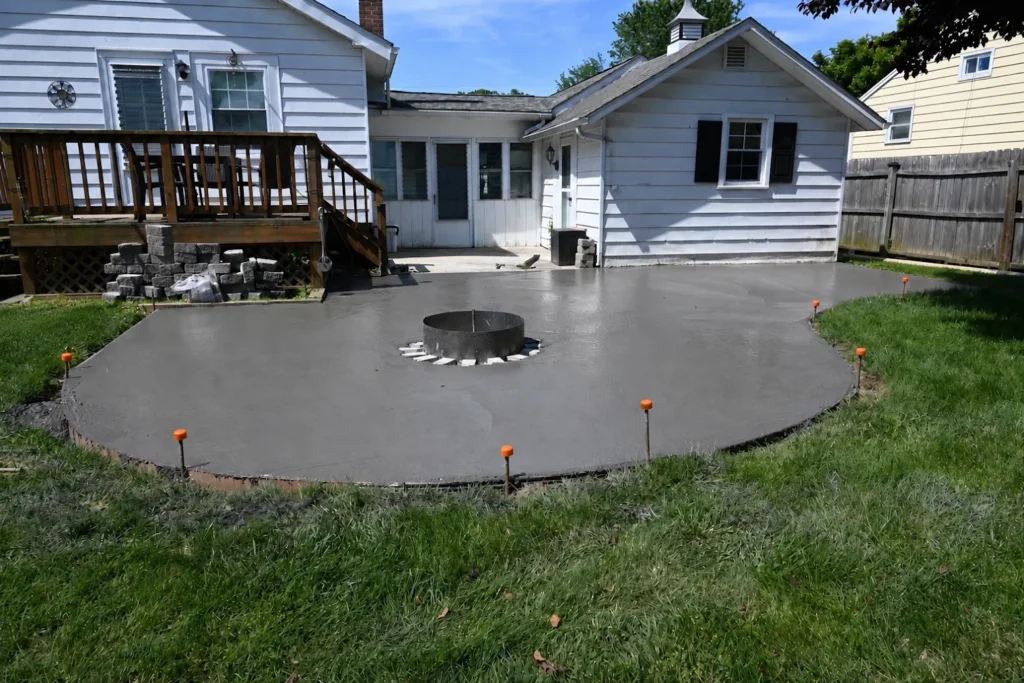
Large areas like driveways and patios often look best with neutral, consistent colors that create a clean, open feel, whereas lighter shades can make smaller spaces seem bigger and more inviting.
How Will the Space Be Used?
It’s also worth considering how the space will be used. Soft, natural tones work well for garden paths, bolder colors can add personality to an entertainment area, and lighter colors are a smart choice for pool decks since they stay cooler in the sun.
How Lighting Plays a Role
Lighting is another factor that’s easy to overlook but can make a big difference. Indoor lighting can change the way a color looks, and outdoor concrete will appear different throughout the day as the sun moves across the sky. Taking the time to see how a color looks in your space before making a final decision can help you end up with a finish you’ll love for years to come.
Tips for Concrete Coloring Based on Your Design Goals
How your concrete gets its color is just as important as the color you choose. Different coloring methods offer different looks, levels of durability, and maintenance needs.
Integral Color vs. Acid Stain
Integral color is mixed directly into the concrete before it’s poured, so the color runs all the way through the slab. It’s one of the most durable options available, resisting fading, chipping, and wear for many years with very little maintenance.
Acid stain, on the other hand, reacts with the concrete to create rich, natural variations that give every project a unique look. Though it’s long-lasting, it does need to be resealed periodically to keep the finish looking its best.
Water-Based Dyes
If you’re looking for bold, vibrant color, water-based dyes offer the widest range of shades and are a great way to refresh existing concrete. They’re especially popular for decorative projects, but because they fade more quickly in direct sunlight, they’re generally better suited for indoor spaces or areas with lighter foot traffic.
The best coloring method depends on the look you want, how the space will be used, and how much maintenance you’re comfortable with over time.
Start Your Concrete Project with the Right Mix
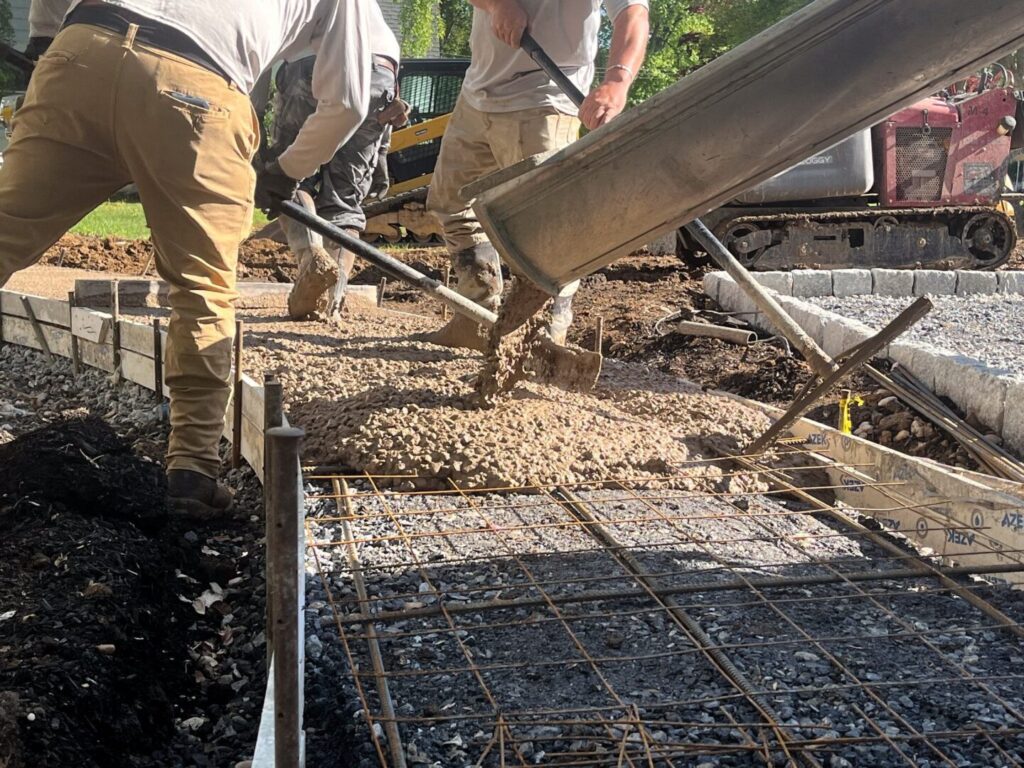
Making sure you have the right concrete color is important, but it’s only part of creating a finished project you’ll be happy with. The quality of the concrete itself plays just as big a role in how it looks and performs over time.
At GFP Mobile Mix Supply, we deliver fresh, custom-mixed concrete right to your job site, so every batch is made to your exact specifications. As a certified supplier for DelDOT and PennDOT, we’re committed to providing dependable service and high-quality concrete for projects of every size.
If you’re ready to get started, reach out to our team. We’d be happy to discuss your project and help you find the right mix for the job.